Research
Our work spans three connected areas: clinical, translational, and basic science.
01
Clinical
Patient-facing research in the multidisciplinary perianal Crohn's clinic: disease course, outcomes, imaging, quality of life, and clinical trials.
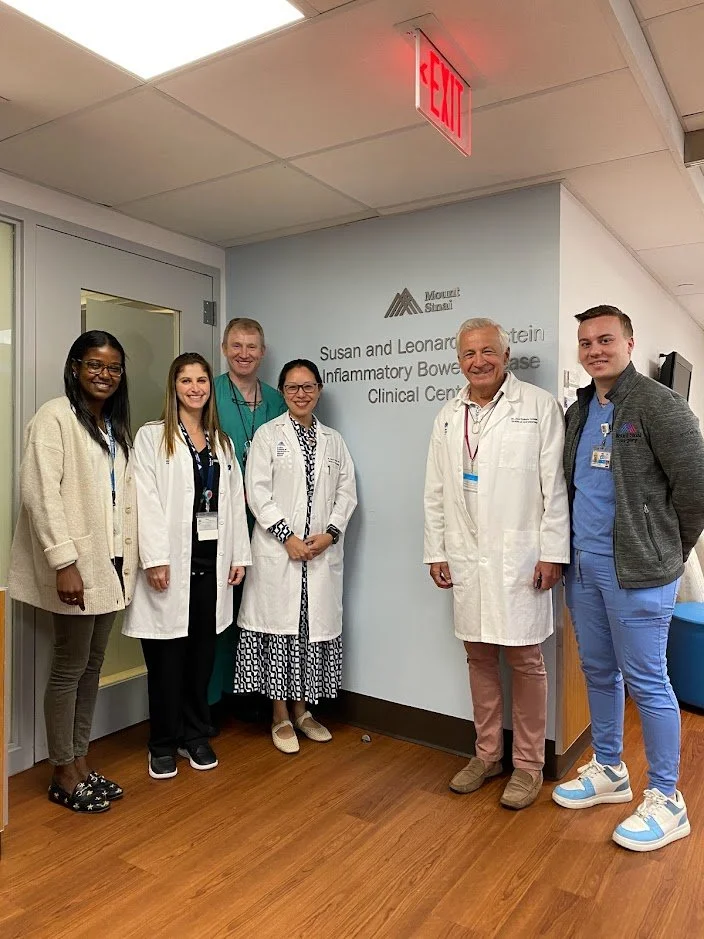
Clinical & Translational Perianal Crohn's Research
Dr. Wong established the perianal Crohn's clinic with colorectal surgeon Dr. Sergey Khaitov with the goal of combining collaborative multidisciplinary strategies, state-of-the-art care, and clinical trials to improve the lives of patients with perianal Crohn's disease.
The program addresses a full spectrum of topics including quality of life and psychosocial impact, disease course and outcomes, nutrition and wound healing, the association of perianal Crohn's disease with hidradenitis suppurativa, clinical trials, and translational science studies.
- Clinical outcomes and natural history
- MRI and examination-under-anesthesia research
- Quality of life and psychosocial impact
- Clinical trials and translational biospecimen studies
02
Translational
Tissue and biospecimen studies that connect the clinical course of perianal fistulizing Crohn's disease to what we see in patient tissue.
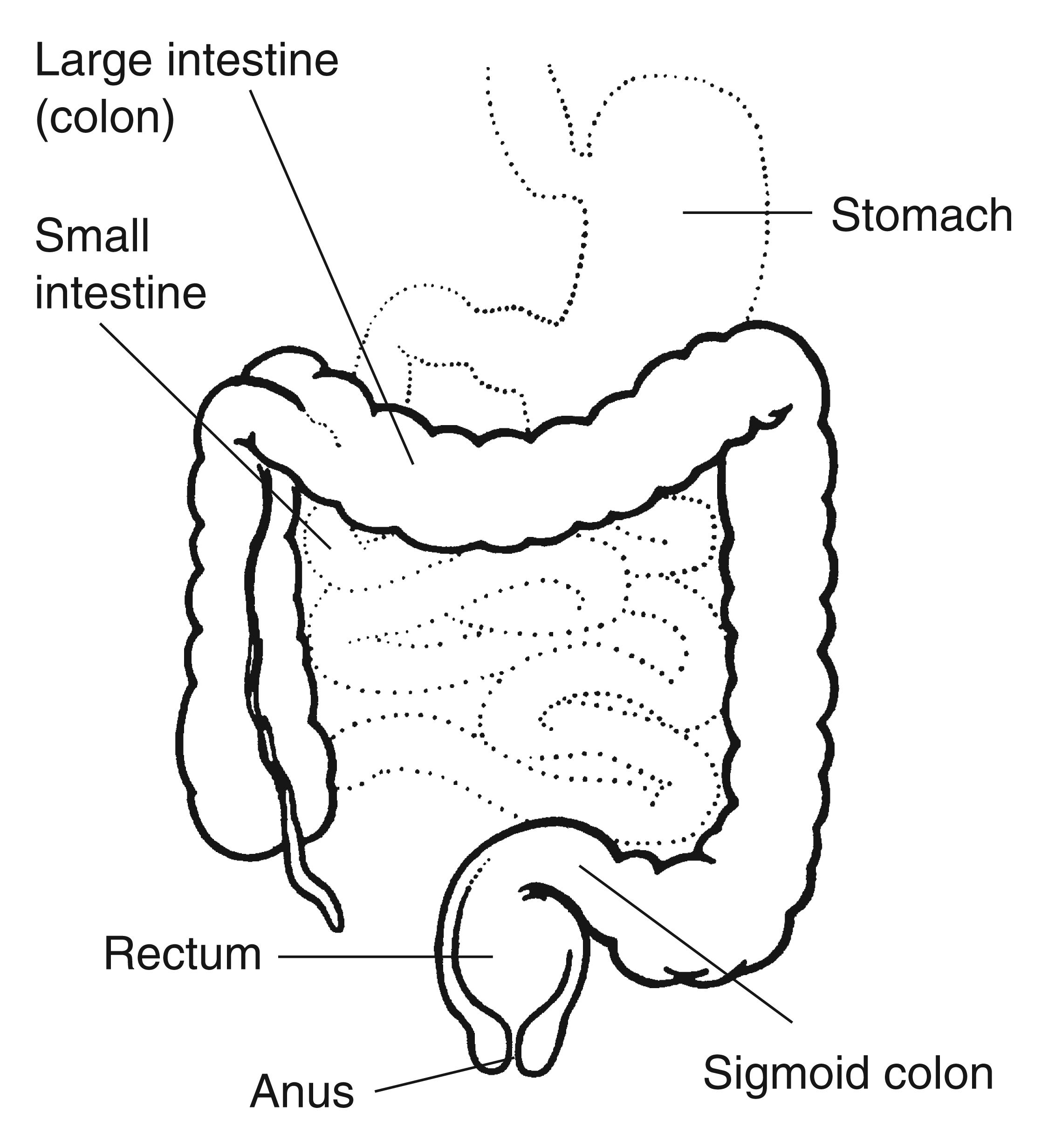
Perianal Fistula Biology
Perianal fistulizing Crohn's disease remains one of the most difficult manifestations of Crohn's disease to treat. Our work asks a deceptively simple question: why does a tract form through the tissue of the anorectum, and why does it so often persist or recur even when luminal inflammation is controlled?
We approach fistula biology as a tissue problem as much as an inflammatory one, studying the cells that line and surround fistula tracts alongside the clinical course of the patients from whom those tissues are obtained.
- Mechanisms of fistula formation and persistence
- Recurrence after medical and surgical therapy
- Failure of wound closure in the anorectum
- Tissue and biospecimen studies linked to clinical phenotype
Epithelial Identity, Wound Healing & Tissue Remodeling
The anal canal and the rectum are immediately adjacent but are lined by different epithelium. Understanding that boundary — and what happens to epithelial identity when a fistula tract forms through it — is central to our tissue work.
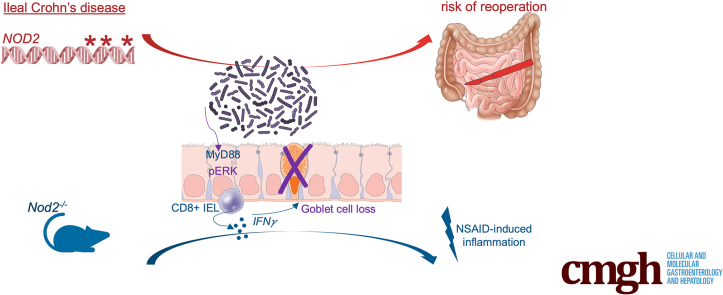
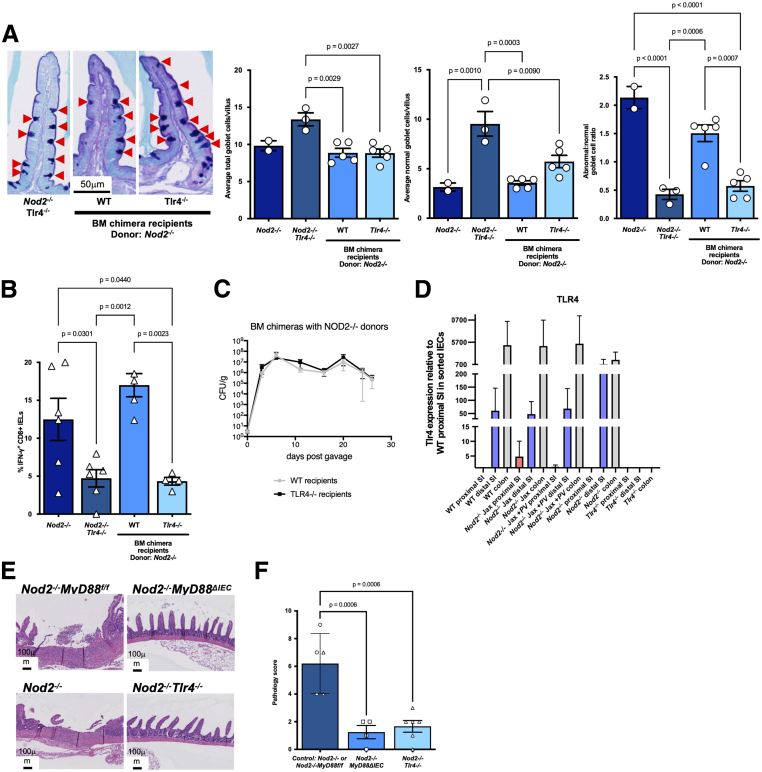
Published work from the lab has linked goblet cell loss in Crohn's disease to NOD2 and secondary resection, and showed that this loss is induced by dysbiosis and epithelial MyD88. We extend this epithelial focus to wound repair, stromal and fibroblast biology, and tissue remodeling in the perianal region, using spatial and transcriptomic approaches on patient tissue.
- Epithelial identity at the anal transition zone
- Cells lining fistula tracts
- Spatial transcriptomics of patient tissue
- Wound repair, stromal and fibroblast biology, tissue remodeling
03
Basic Science
Laboratory work on how microbes interact with intestinal tissue and the immune system, including NOD2, MyD88, and goblet cell biology.
Host–Microbe Interactions
Dr. Wong's research focus is on how inflammation begins in Crohn's disease. Through basic and translational research, the lab studies how microbes interact with intestinal tissue and the immune system.
In perianal Crohn's disease specifically, translational science studies in the Mount Sinai program work to define microbial signatures and to explore host–microbe interactions.
- Microbial communities in Crohn's disease and in perianal fistulas
- Microbial signatures of perianal Crohn's disease
- Dysbiosis and epithelial innate immune signaling
- NOD2, MyD88, and goblet cell biology
04
Other
Collaborative and emerging projects, consensus and education efforts, and new directions from clinic and bench.
Other Research Interests
Beyond our core clinical, translational, and basic science programs, the lab pursues collaborative and emerging projects with colleagues across gastroenterology, colorectal surgery, dermatology, radiology, and pathology.
These include education and consensus efforts, methodology development, and new directions that grow out of questions raised in clinic and at the bench.
- Multidisciplinary and cross-institutional collaborations
- Consensus statements, reviews, and education
- Methodology and new-technology development
- Emerging projects and trainee-led studies
Publications by Research Area
Highlighted Publications
Selected publications emphasized in the source list, spanning perianal Crohn's disease, translational science, and COVID-19/IBD research.
14 publications
Clinical
Clinical research on diagnosis, classification, treatment, imaging, surgery, outcomes, and complications of perianal and related Crohn's disease.
12 publications
Equity
Work focused on representation, inclusion, research access, trauma-informed care, and equity within gastroenterology and academic medicine.
6 publications
Basic Science
Mechanistic research on epithelial biology, microbes, immune signaling, genetics, and DNA repair.
6 publications
COVID-19
Research on SARS-CoV-2 infection and vaccination in inflammatory bowel disease, including immune responses and collaborative cohort studies.
3 publications
Other
Gastroenterology research outside the main categories, including sexual health, Crohn's disease progression, and gastrointestinal graft-versus-host disease.
3 publications